Training dogs is not one-size-fits-all. Each specific breed brings its own quirks, smarts, and “what on earth are you doing” moments. A German Shepherd may need more structure, while Labrador retrievers often just want a snack for every sit. And don’t forget Golden Retrievers, who act like overachievers at dog school but still roll in mud on the way home. Understanding training techniques for specific breeds helps owners meet their dog’s unique needs, shape better behavior, and enjoy stronger results.
Why Different Training Techniques for Specific Breeds Matter?
Every dog breed group brings its own set of behavioral traits. A one-size-fits-all approach is like putting a Chihuahua in a Saint Bernard’s sweater. It’s awkward and not helpful. For example, stubborn breeds may ignore weak commands, while high-energy dogs burn out without clear training outlets. By using effective training techniques for specific breeds, handlers create training components that fit the dog’s nature. This approach makes training sessions more effective and saves dog owners’ sanity while building stronger results.
What Are the Best Training Techniques for Small Breeds?

Small dogs may be compact, but their training needs are anything but tiny. They require training principles built on structure, encouragement, and patience. A balanced plan can turn even the sassiest toy pup, the one that thinks it runs the house, into a polite little companion. Here are the most effective techniques for smaller dog breeds.
1. Focus on Patience
Patience is the backbone of breed-specific training for pint-sized pups. These dogs can act like divas during crate training or stage mini-protests against early training routines. By keeping training sessions short and calm, pet owners give their furry drama stars time to shine without stress.
2. Positive Reinforcement
Positive reinforcement means snacks, praise, and the occasional “who’s a good boy?” This form of operant conditioning outshines punishment based methods, which often backfire and create trust issues. With rewards, even the most stubborn breeds suddenly act like they graduated obedience school with honors and want extra cookies for it.
3. Socialization Tips
Small dogs sometimes think they are giants trapped in tiny bodies. That is why exposure to new sights, people, and pups matters. Fun training outlets like puzzle toys and supervised group play prevent meltdowns and behavior issues such as resource guarding. Socialization also keeps overprotective yappers from auditioning as full-time watchdogs, making life easier for both dog and dog owner.
What Are the Best Training Techniques for Medium Breeds?
Medium dogs sit in the middle of the pack. They are big enough to knock over your coffee table but small enough to still claim your lap like it’s their throne. Their training strategies must balance activity with structure, or they’ll invent their own hobbies like couch demolition. These breeds thrive when training methods are consistent and fun. Below are the best approaches.
1. Balanced Energy Outlets
Medium dogs need training outlets that burn off energy before they decide your shoes make great chew toys. Activities like fetch, agility games, or puzzle toys keep their minds sharp and their bodies busy. Without this, pent-up energy often leads to creative chaos, also known as behavior issues.
2. Clear Commands
These breeds respond well to clear language and repetition, not long speeches that sound like bedtime stories. A confident dog trainer or dog owner should use short commands paired with rewards. Skip leash corrections or punishment-based methods because those often make dog behavior worse, and no one wants a confused pup plotting rebellion.
3. Daily Practice
Routine training sessions help medium breeds lock in training components so they do not “forget” the rules the next day. Repetition strengthens training skills, prevents backsliding, and delivers consistent training results. Think of it as brushing teeth for dogs. Skip it, and instead of plaque, you get couch cushions in shreds.
What Are the Best Training Techniques for Large Breeds?
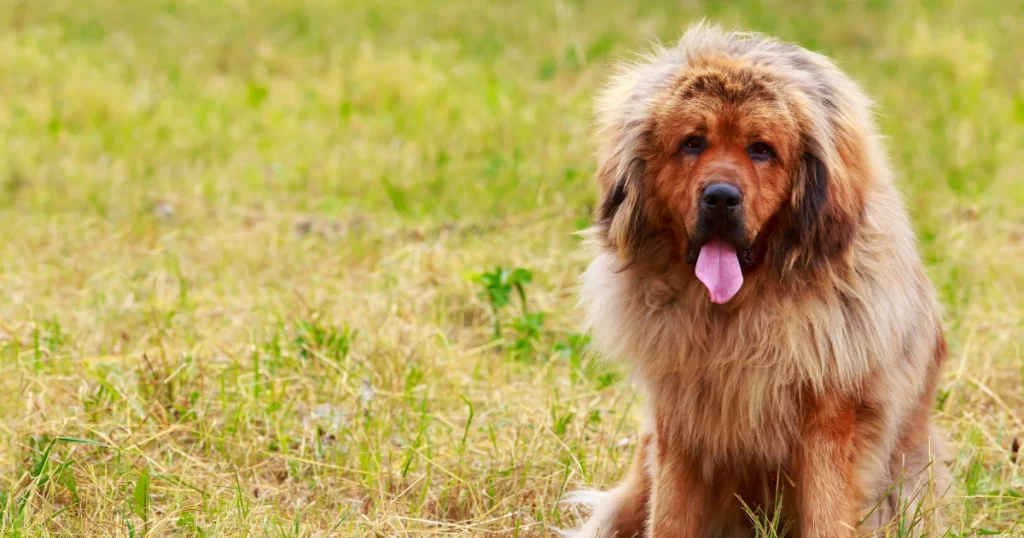
Training large breeds is like handling friendly giants. They may think they’re lap dogs, but your legs will disagree after two minutes. Their size can cause challenges, but the right training principles keep them safe and reliable. With structure, dog behavior stays manageable and family-friendly. Read to know how to work with them.
1. Consistent Leadership
Big dogs need a confident dog owner to guide them before they decide to run the household meetings. Clear rules reduce confusion and prevent dog behavior problems. Consistent leadership shapes good training routines and avoids future challenges with dominance, or worse, even sofa ownership disputes.
2. Strength Control
Because of their size, large breeds must learn control, or you’ll feel like you’re waterskiing behind them during walks. Teaching calm leash walking reduces risks during distance training or crowded strolls. Structured training outlets and best dog training tools make this much easier and save your shoulders.
3. Reward-Based Training
Reward-based training motivates big dogs without fear and without needing treats. Using operant conditioning, praise, and snacks support progress. Unlike punishment based methods, this builds trust, delivers better training results, and prevents your giant furball from turning into a stubborn tank.
When Should You Get Professional Help?
Some situations call for a dog behaviorist or dog trainer. If dog behavior problems like resource guarding, aggression, or destructive habits keep growing, outside help is a sanity saver. Professionals understand complex training components and can design training techniques for specific breeds that do not leave you Googling “why won’t my dog listen?” at 2 a.m. They also correct unsafe use of group dog training tools or harsh punishment-based methods before your pup files a complaint. Reaching out sooner avoids bigger problems later, like explaining to neighbors why your dog redecorated the yard with their garden gnome.
Frequently Asked Questions
Can training techniques for specific breeds change as a dog grows?
Yes. Training techniques for specific breeds should adapt as dogs move from puppyhood to adulthood. As personalities develop, especially in mixed or strong-willed breeds, training methods often need adjustment to stay effective.
Do high-energy dogs need different training techniques for specific breeds?
Yes. Training techniques for specific breeds with high energy levels usually work best with longer or more engaging sessions. Activities like agility, fetch, or structured play help maintain focus while burning excess energy.
Why is socialization important in training techniques for specific breeds?
Socialization plays a key role in training techniques for specific breeds by helping dogs handle real-life situations calmly. It supports confidence, reduces behavior issues, and improves how dogs respond in everyday environments.
Are positive reinforcement methods effective training techniques for specific breeds?
Yes. Positive reinforcement remains one of the most reliable training techniques for specific breeds. It encourages long-term learning and trust without relying on punishment-based approaches.
How can training techniques for specific breeds be applied to mixed-breed dogs?
For mixed-breed dogs, training techniques for specific breeds should focus on their most noticeable traits. Observing behavior patterns helps trainers adjust methods to suit each dog’s unique mix.
Wrapping Up
Every dog is unique, and so are their training needs. By using breed-specific training, pet owners set their pups up for success instead of starring in the next “dog fails” video. From positive reinforcement to reward-based training, the right approach builds trust, prevents behavior issues, and keeps households from looking like chewed-up shoe graveyards.
Learning training techniques for specific breeds helps both dog owner and dog. With smart training outlets like games, crate training, and distance training, pups thrive. Skipping punishment based methods and focusing on rewards leads to wagging tails and lasting training results, plus less explaining to guests why your couch has bite marks.
At Amy’s Dog Training, we help families handle dog behavior, build training skills, and create homes where dogs and humans live in peace instead of chaos. Call us at (408) 887-1741 to find the right training routines for your pup. And yes, we promise your slippers will thank you.