Finding the best dog training tools can feel like shopping for gym gear you’ll never use. The shelves are full, the options endless, and your pup is looking at you like you better not mess this up. You don’t need to buy every shiny gadget to fix dog problems. The right dog training equipment makes the training process smoother, keeps bad behavior under control, and builds trust. Think of it as trainer gear that helps you guide your dog without losing your sanity. Let’s break down the essentials every owner should have.
What Are the Best Dog Training Tools?
The market is loaded with training tools, but not all deserve a spot in your home. Some help with basic obedience, others manage pulling on the leash, and a few are best for improving recall skills. The key is to choose the best dog training tools that support your training plan, fit your dog’s personality, and align with the positive reinforcement method. Below are the essentials every owner should know about.
1. Training Collars
A good collar is the foundation of obedience training. The martingale collar is especially helpful for dog breeds that slip out of standard gear. These collars apply gentle pressure without choking, making them safer than outdated choke chains. They help reinforce training commands while maintaining your dog’s comfort.
2. Leashes
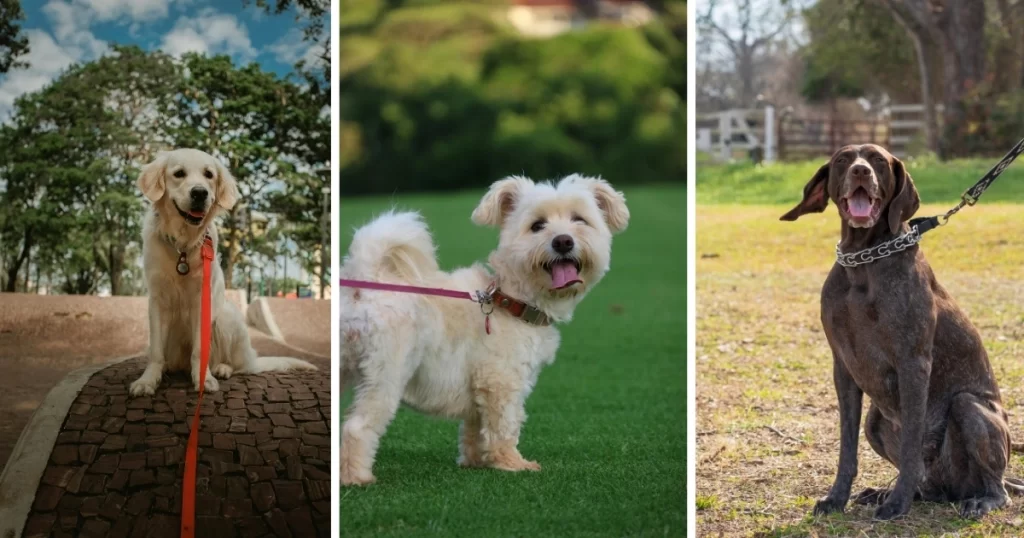
A long leash works wonders for recall training. It gives your dog freedom while keeping control in your hands. Specialized leashes like the leather detection leash are great for service dogs in training or scent work during hunting season. Standard leashes remain essential for daily walks and for reducing pulling on the leash.
3. Clickers
Clickers are tiny but mighty. They provide precise timing for the positive reinforcement technique. Each click becomes a marker for good behavior, helping with behavior improvement in both puppy training and advanced behavior training. They’re small, affordable, and effective.
4. Treat Pouches
Treat pouches or a training treat pouch keep rewards close at hand. Nothing kills the moment like fumbling in a pocket for crumbs. A reliable treat bag speeds up the training process, builds faster results, and keeps your pup motivated. It’s one of the most practical tools for dog training you’ll ever own.
Which Best Dog Training Tools to Use for Sensitive Dogs?
Some dogs are total softies. Loud sounds, harsh gear, or strict corrections make them look like you just told them Santa isn’t real. For these pups, you need the best dog training tools that emphasize comfort and calmness. Picking the right training environment with supportive training tools prevents meltdowns and leads to wag-worthy results.
Soft Harnesses
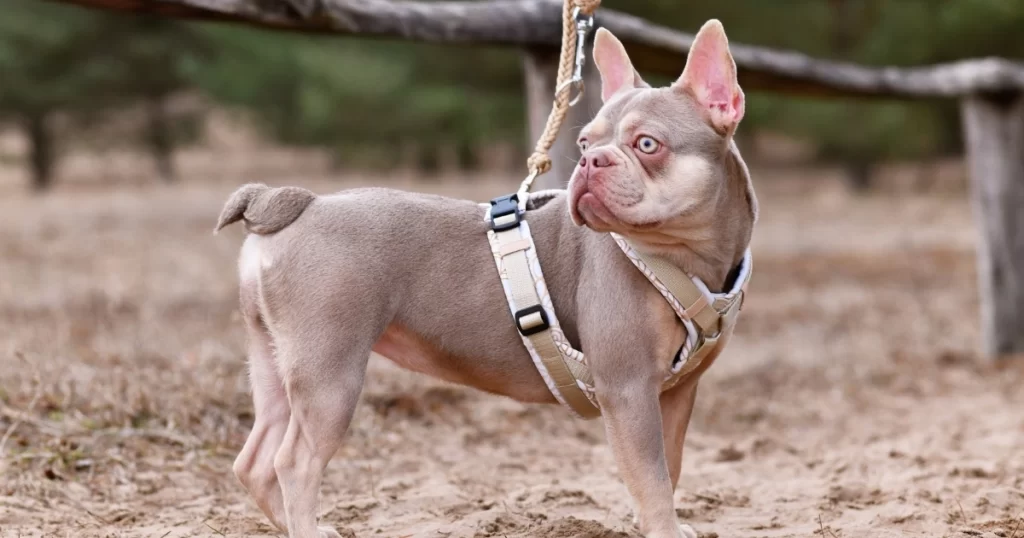
Gentle on the body, soft harnesses spread pressure evenly. They’re ideal for small dogs or breeds like the Siberian Husky that act like drama queens when a collar touches their neck. These harnesses also help behavior consultants keep training safe, humane, and free of canine soap operas.
Gentle Leads
These leads give handlers control without pain. They’re excellent for behavior training in shy or sensitive dogs who think “walk” means “drag my human.” Gentle leads reduce bad behavior during the training process by making pulling less fun and a lot less embarrassing for the owner.
Calming Aids
Sometimes training tools aren’t about gear but about emotional backup. Calming wraps or aids lower anxiety in dogs that panic like you’ve scheduled a vet trip. This keeps them focused during training videos, group classes, or even online dog training courses, with no doggie breakdowns included.
Which Best Dog Training Tools to Use for Rescue Dogs?
Rescue dogs often come with a little emotional luggage, and some pack heavier than others. They may struggle with trust, past trauma, or missing basic obedience like “sit” or “please don’t eat the couch.” The right training plan focuses on patience, consistency, and safe dog training tools that boost confidence without drama.
Long Lines
A long leash is perfect for rescues. It gives freedom while still saying, “you’re not running off to join the squirrels.” These are especially helpful in open areas where you want to practice recall training and behavior improvement without chasing your dog into the next zip code.
Comfortable Harnesses
Harnesses keep rescues secure and a little less anxious. For dogs that spook easily, a snug but padded harness prevents escape and saves you from a heart-stopping game of hide-and-seek. It also helps with tasks & work training, giving dogs structure while they figure out that routines aren’t so scary after all.
Treat Pouches
A treat bag quickly becomes a rescue dog’s love language. Handing out snacks through a positive reinforcement method says, “You’re safe, and also the snacks!” Food rewards not only speed up bonding but also make training commands stick faster than peanut butter on the roof of the mouth.
Which Best Dog Training Tools to Use for Puppies?
Puppies are like toddlers with teeth. They chew, chase, and test boundaries. Starting early with the right dog training tools sets them up for a lifetime of success. Keep it simple, safe, and structured.
Crates
Cots and crates are essential for puppy training because they provide structure from the start. Crates create a safe space where puppies can relax and feel secure. They also support ramp training for stairs and integrate well with travel systems for car safety. When used correctly, crates become a positive tool for both comfort and discipline.
Small Leashes
A lightweight leash helps puppies get used to walking without feeling overwhelmed. It builds confidence during early sessions while keeping them close. Small leashes support recall skills and prevent pulling on the leash in short training walks. They’re a gentle way to prepare puppies for bigger adventures.
Chew Toys
Puppies chew everything in sight, from shoes to furniture. Providing safe chew toys teaches them what’s allowed and saves your belongings. These toys are a critical part of early behavior improvement and training environment control. They also give puppies a healthy outlet for teething and playful energy.
How Do Best Dog Training Tools Affect Training Success?
The right dog training tools shape habits faster, prevent dog problems, and make the training plan easier for both owner and pup. They support the training process with clear communication, reduce frustration, and encourage long-term behavior improvement. Combined with positive reinforcement, they transform chaos into progress. With the right approach, training becomes less of a battle and more of a team sport.
Read also: Dog Training Tools Perfect for Group Classes
Frequently Asked Questions
What is the best dog training tool for beginners?
Beginners do well with a martingale collar, a long leash, a clicker, and a treat pouch. These basics cover most training commands and basic obedience needs.
Are clickers better than treats for dog training?
Clickers mark good behavior, while treats reward it. Together, they make the positive reinforcement method more powerful. Neither replaces the other in effective dog training.
What best dog training tools are safest for puppies?
For puppy training, crates, small leashes, and chew toys are safest. These create a healthy training environment while avoiding harsh corrections.
Can muzzles be used as the best dog training tools for aggressive dogs?
Yes, when fitted properly. A muzzle is a safe dog training tool during behavior training for aggression. It protects handlers while working with behavior consultants.
Which best dog training tools should be avoided by first-time owners?
Avoid choke chains, prong collars, or shock devices. These interfere with the positive reinforcement method and can worsen bad behavior instead of solving it.
Wrapping Up
Dog owners often think they need endless gadgets to fix dog problems, but the truth is simpler. A focused training plan with the right training tools delivers better results than a pile of unused gear. Tools like training collars, long leashes, clickers, and treat bags make the training process effective, fun, and rewarding.
Sensitive dogs benefit from softer gear, rescues gain trust through food rewards, and puppies thrive with crates and chew toys. Even advanced situations like service dogs in training or seasonal tasks & work training during hunting season rely on the right dog training equipment and trainer gear.
At Amy’s Dog Training, our experts help you choose the right dog training tools and build a custom training plan that works. Call us today at (408) 887-1741 and start turning bad behavior into real behavior improvement.