Finding the right professional dog trainers can feel like choosing a babysitter for a toddler with four legs and a tail. You want someone who actually speaks “dog,” respects their quirks, and knows how to turn chaos into calm without needing a superhero cape. Not every dog trainer works the same way, which is why spotting the qualities of a trusted trainer matters more than finding Wi-Fi at a coffee shop. By understanding these traits, you give your dog the best chance for steady progress in a safe and supportive training environment, plus fewer chewed shoes for you.
What Are Professional Dog Trainers?
Professional dog trainers are people who have dedicated time and study to the training profession. They use proven training methods backed by knowledge of animal behavior, dog ethology, and behavior analysis, which sounds serious but usually involves a lot of treats. Their work often involves dog obedience, behavior modification, and structured obedience programs, like school for dogs with extra barking. Many are members of a professional organization and may hold credentials from certifying bodies like the Certification Council for Professional Dog Trainers or the International Association of Canine Professionals.
What Qualities Should You Look for in Professional Dog Trainers?
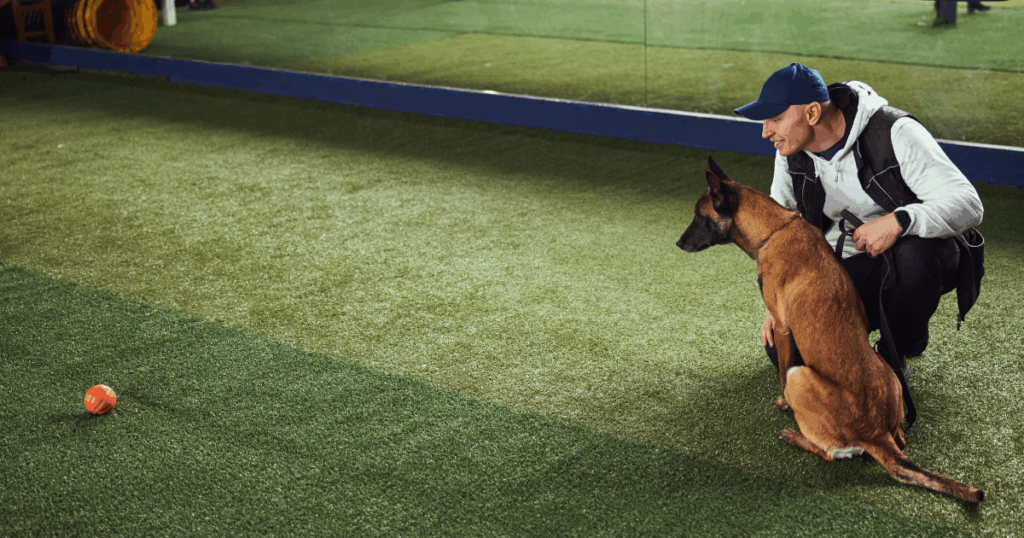
The right professional dog trainers should bring a balance of skill, compassion, and professionalism, kind of like a dog whisperer who also pays taxes. They must understand dog behavior, respect the bond between owner and pet, and provide effective training techniques that don’t end with chewed shoes.
Read to know the qualities that make the biggest difference for your dogs, besides having an endless supply of treats.
Patience with Dogs
A great trainer shows patience when teaching new skills or correcting unwanted behavior, even when the dog thinks “sit” means “do a backflip.” Dogs learn at different speeds, which is why professional dog trainers must adjust without frustration. Calm persistence creates a positive training environment where dogs feel safe to learn, and maybe even safe enough to finally stop barking at the vacuum.
Clear Communication
Strong dog communication skills allow professional dog trainers to make instructions clear for both dogs and owners, so no one ends up tilting their head in confusion like the dog does. They use modifier cues, social signals, and simple words to avoid confusion, because “sit” should not sound like “zip.” This clarity helps dogs understand expectations and owners reinforce lessons at home without needing a translator.
Positive Reinforcement Focus
The best trainers rely on positive reinforcement as the foundation of their approach, which is just a fancy way of saying “treats make magic happen.” Using rewards for good behavior encourages dogs to repeat the right actions, because who says no to snacks? This method avoids harsh corrections and builds trust between professional dog trainers and dog, turning lessons into tail wags instead of drama.
Proven Experience
Experienced trainers bring years of hands-on work and practical knowledge to their sessions, which basically means they’ve been drooled on more than most dog toys. They have success stories that show how their training methods work for different situations, proving they can handle everything from stubborn sitters to runaway sprinters. Their background allows them to adapt techniques to meet the specific needs of each dog, even the ones who think the couch is their throne.
Strong Knowledge
A master dog trainer has a deep understanding of animal learning and behavior science, which is why they sound smart even while holding a bag of treats. They use the best dog training tools and positive reinforcement to strengthen results, kind of like turning lightbulbs on in furry little brains. Classical and operant conditioning are also part of their knowledge base, guiding effective training choices that help dogs act less like and more like civilized companions.
Ethical Training Methods
Professional dog trainers avoid harmful practices that may hurt or frighten dogs, because nothing says “bad trainer” like turning Mr. Wiggles into a drama queen. They follow the standards set by certifying bodies and maintain humane approaches, which basically means no yelling, no scary stuff, and plenty of snacks. Their training school methods always place the dog’s well-being first, even before their own coffee break.
Adaptability to Different Dogs
Every dog is unique, from service dogs to rescue dogs with difficult pasts, and some come with enough baggage to fill a suitcase. A skilled trainer adapts training methods to suit breed, temperament, and age, making sure the diva poodle and the hyper husky both get what they need. This flexibility helps all dogs succeed, regardless of background, and maybe even keeps them from chewing the furniture.
Support for Owners
A trainer works closely with the dog owner to provide guidance beyond lessons, kind of like a life coach but with more fur involved. They may offer tips, resources, or additional programs like board and train, which is basically doggy boot camp with snack breaks. This support helps owners continue progress at home and build stronger bonds with their dogs, while hopefully saving a few pairs of shoes in the process.
How Professional Dog Trainers Shape Lasting Behavior?

Training is more than teaching tricks, unless you think “steal socks” counts as one. A trusted dog trainer builds habits that shape a dog’s long-term behavior, so your pup doesn’t grow up to be a professional couch destroyer. With the right approach, dogs respond consistently while owners gain confidence in the process, and maybe even bragging rights at the dog park.
The following steps explain how trainers create results that last, without needing magic wands or capes.
Consistent Methods
Professional dog trainers use clear and repeatable training methods that dogs can understand, because “sit” should not sound like “zip.” This structure creates a steady learning path where commands connect to actions. Over time, dogs gain confidence, and operant conditioning, along with classical and operant conditioning, team up for lasting results.
Trust-Based Behavior
Effective training begins with trust between the trainer and the dog. Dogs learn best when they feel safe, supported, and rewarded. Positive reinforcement, dog communication, and body language build that trust. With trust, dogs actually listen instead of acting like “stay” is brand new.
Ongoing Guidance
A trainer’s role does not stop once a class ends, because dogs do not exactly do homework. They keep guiding owners through private lessons, group classes, or specialized programs. Owners may try dog sports essentials, retriever training, or therapy dog team training, which gives dogs bragging rights. This support helps both dog and owner keep success rolling over time.
How to Find Professional Dog Trainers You Can Trust?
Finding a trainer you can rely on involves research and observation, kind of like online dating but with more barking. Look for certifications from the Certification Council for Professional Dog Trainers or similar certifying bodies, because fancy papers mean more than just wall decor. Attend classes or ask for a consultation to check the training environment, and make sure it does not look like doggy detention. Speak with past clients and review their success stories, since bragging rights matter. The best professional dog trainers make both dogs and owners feel supported through every stage of the training process, and maybe even less stressed than before.
Frequently Asked Questions
What qualifications do professional dog trainers have?
Professional dog trainers have completed formal training and gained hands-on experience in the field. They continue their education to stay current with modern training techniques and animal behavior science.
Do all professional dog trainers use positive reinforcement?
Not every trainer relies on positive reinforcement, but the most ethical ones do. Positive reinforcement training builds trust and encourages learning without fear. It is the preferred approach because it creates lasting results for both dogs and owners.
How do I know if professional dog trainers are certified?
You can ask directly about their credentials and training background. Many certified trainers will display their certification from groups like the Certification Council for Professional Dog Trainers or the International Association of Canine Professionals. You can also verify their status through these organizations’ websites.
How long does it take to see results from professional dog trainers?
The timeline varies based on the dog’s behavior, age, and learning history. Some dogs may show improvement within a few weeks, while others take longer. Consistency, practice, and the chosen training techniques all play a big role.
Can professional dog trainers help with aggressive behavior?
Yes. Many trainers specialize in handling aggression safely. They may also collaborate with a dog behaviorist to design a structured plan. The goal is to reduce aggressive responses while teaching the dog healthier ways to react.
Wrapping Up
Professional training shapes more than commands. It builds the bond between a dog and its owner while tackling issues like aggression, obedience, and confidence, so the couch survives another day. With the right dog trainer, your dog can thrive anywhere, from puppy start right to advanced dog sports, and maybe even win “best behaved at the barbecue.”
Trusted professional dog trainers rely on hands-on learning, effective training techniques, and proven tools like Click to Calm for Instructors (which is basically yoga for dogs). They guide both pets and people, ensuring growth in a supportive training environment that feels less like school and more like snack time. Many also keep learning at a training conference or through programs like Dog Trainer Foundations and Dog Trainer Comprehensive, because even trainers need extra credit.
At Amy’s Dog Training, we focus on creating success for every dog and owner, without the drama. Call us today at (408) 887-1741 to learn more about our programs and how we can help you, or at least help your shoes survive puppyhood.