Finding safe dog boarding facilities can feel like using dating apps for pets. Swipe left on the sketchy ones, swipe right on the ones that promise belly rubs, clean spaces, and a boarding experience that doesn’t smell like old socks. Pet parents want a spot where their dog sleeps well, eats well, and doesn’t come home acting like he just starred in a doggie soap opera. This guide breaks down what makes a boarding place safe, what to know before booking, and which warning signs should send you running faster than a greyhound at dinnertime.
How Do Safe Dog Boarding Facilities Keep Dogs Protected?
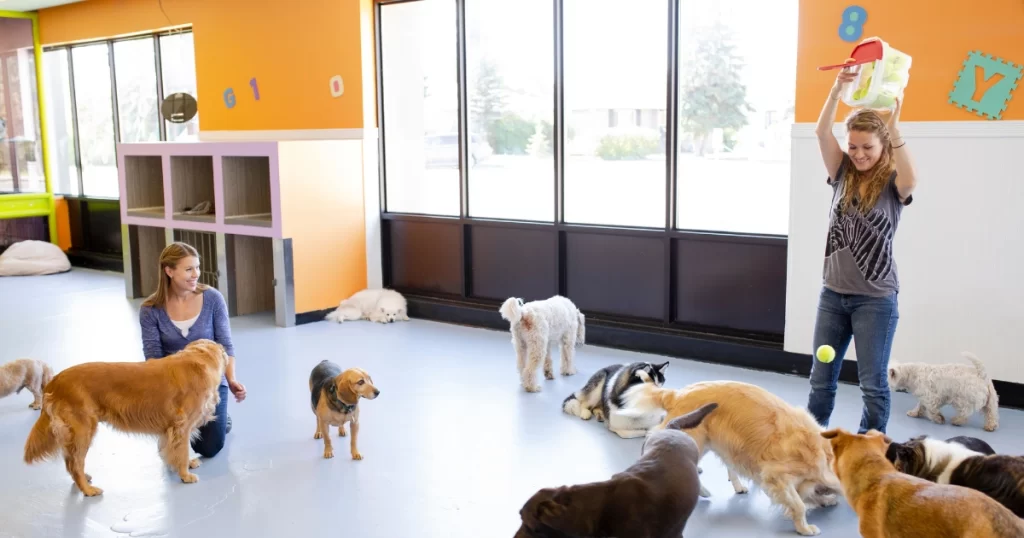
A safe facility goes beyond locking the doors at night. It maintains a standard of care that includes core vaccinations for all dogs over the proper months of age, clear safety protocols, and staff trained in both dog daycare routines and dog training basics. A licensed veterinarian should be available when needed, and the setup should include clean outdoor play areas, fresh air handling systems, and proper crate training options for rest. Bonus points if there’s a wellness program, because nothing says luxury like yoga mats for Labradors.
What Should Pet Owners Ask Before Booking?
Asking questions beforehand can save your pup from a bad boarding experience. Think of it like interviewing a babysitter, except the client drools, steals socks, and occasionally licks the interviewer. Here are the most important areas to ask about before handing over the leash.
Safety Certifications
Facilities should show proof of inspections and safety training. Ask if staff receive regular dog training classes or updated emergency preparation. Certifications from animal care organizations are not just framed papers. They prove your dog won’t be cared for by “someone whose only experience is babysitting their neighbor’s puppy once.” This is a tremendous benefit for pet parents who like sleeping at night.
Daily Routine
A solid routine helps with a restful night and balanced playtime. Ask how many times per day your dog will get potty breaks, exercise, and rest. Facilities should offer structured activities like day of daycare, socialization for dogs by size, and naps in a typical crate. If the schedule looks like a spa retreat itinerary, your pup will be one happy camper.
Feeding Practices
Food is not one-size-fits-all. Safe dog boarding facilities track feeding carefully, often using care with barcode systems to avoid mix-ups. Ask how they handle special diets, allergies, and treats. Staff should also note mealtime routines so dogs stay comfortable and stress-free. Clear records help prevent mistakes and keep every pup healthy.
Why Does the Environment Matter in Dog Boarding Facilities?
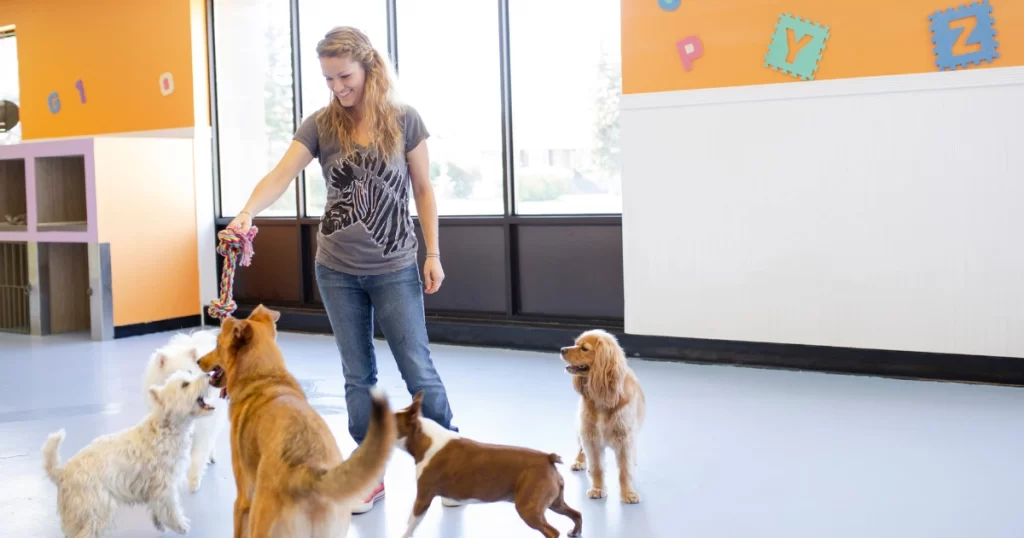
The right environment reduces stress and keeps dogs healthy. A safe setup balances comfort, cleanliness, and supervision, so no dog feels like they’re stuck in a bad roadside hotel. Read to know why checking the environment is important for dog safety.
Clean Living Spaces
Sanitized kennels, fresh bedding, and spotless dog and cat condos matter for dog and cat boarding. Messy spaces invite illness, fleas, and looks from your dog that scream, “Seriously? This is where you left me?” Frequent cleaning with pet-safe products keeps tails wagging and noses sniffing happily.
Temperature Control
Dogs don’t want to freeze in winter or melt in summer. Facilities need proper climate control with reliable air handling systems. Ask if they monitor temperature in both kennels and outdoor play areas. If the staff shrugs and says, “Well, it’s about the same as my garage,” you may want to run.
Secure Outdoor Areas
Safe yards should include fencing, supervision, and artificial grass for easy cleanup. Open spaces must be secure enough to prevent escapes or injuries. Facilities should separate dogs by size during play. Think of it like a middle school dance. Tiny pups on one side, big pups on the other, and everyone supervised so nobody sneaks out.
What Red Flags Suggest a Boarding Facility Is Not Safe?
Not every facility deserves your trust. Some places cut corners that put pets at risk. Knowing the warning signs helps you choose a safe spot for your dog. Read to know what are the signs that the boarding facility is not safe for your dog.
1. Poor Cleanliness
A facility that skips cleaning creates risk of illness. Dirty kennels, unwashed bowls, or smells strong enough to knock over a Mastiff are red alerts. Without consistent sanitation, parasites spread time after time. If your nose hairs retreat, take your dog with them.
2. Lack of Records
If a facility cannot show records for core vaccinations or feeding logs, that’s a problem. Records show accountability and consistency. Lack of them signals poor organization and risk of mistakes. If they rely on “Oh, I think Spot ate… something” as a system, it’s time to say goodbye.
3. Overcrowded Spaces
Packing in too many dogs reduces safety and increases stress. Dogs need enough time to play safely and rest comfortably. Overcrowding causes fights, poor sleep, and the canine version of cabin fever. A safe facility caps numbers instead of playing canine Tetris.
How Can Pet Owners Feel Confident About Their Choice?
Confidence comes from visiting the facility, asking questions, and watching how staff interact with animals. Look for happy dogs, clean areas, and staff that don’t look like they’ve been through a rodeo. Camera access during the stay can help owners feel connected. Choosing a place with a grooming facility or a train program shows commitment to long-term care. Some may even offer seasonal specials for a limited time with limited availability, which is great for saving extra money while still getting excellent service.
Read also: What Pet Owners Should Know Before Booking
Frequently Asked Questions
What certifications should safe dog boarding facilities have?
Safe dog boarding facilities should hold recognized animal care, safety, and staff training certifications. These credentials confirm that employees are properly qualified to handle dogs, respond to emergencies, and maintain consistent care standards.
How often should dogs be monitored at safe dog boarding facilities?
At safe dog boarding facilities, staff should check on dogs multiple times each day for feeding, exercise, behavior, and overall well-being. Regular monitoring helps prevent issues and ensures dogs remain comfortable and secure.
What red flags suggest safe dog boarding facilities standards are not being met?
Warning signs include limited staff supervision, poor cleanliness, lack of transparency, or unclear safety protocols. Safe dog boarding facilities should welcome questions, provide tours, and clearly explain how dogs are cared for during their stay.
Do safe dog boarding facilities separate small and large dogs?
Yes. Safe dog boarding facilities group dogs by size and play style to reduce stress and prevent injuries. Proper separation helps create a calm, controlled environment during playtime and rest periods.
How can I prepare my dog for a stay at safe dog boarding facilities?
Preparing your dog for safe dog boarding facilities includes keeping vaccinations up to date, packing familiar comfort items, and practicing crate routines if required. These steps help dogs adjust more easily and feel secure during their stay.
Wrapping Up
Choosing safe dog boarding facilities about finding a place that values health, structure, and happiness. A trusted facility gives dogs the chance to enjoy play, rest, and socialization without stress or drama.
The best facilities provide a balanced mix of clean environments, solid routines, and professional care. They may even include a wellness program, a grooming facility, or dog training classes for extra support. Pet parents gain peace of mind, while dogs return home wagging their tails instead of plotting revenge.
At Amy’s Dog Training, we know how much your pup matters. Call us at (408) 887-1741 to ask about our programs and see how we make safety the top priority.