
Leash training a dog is one of the biggest steps toward a happy bond with your pet. Most owners dream of peaceful walks instead of being dragged like a sled through distractions. With the right training techniques, you can enjoy safe, stress-free outings together.
A clear guide takes you from early training to picking the right tools. With simple steps, you boost your dog’s confidence and give the structure needed for walks that feel more like strolls and less like tug-of-war.
What Is Leash Training a Dog?
Leash training teaches your dog to walk calmly by your side instead of dragging you like a runaway shopping cart. It’s about setting boundaries and making every leash clip a positive experience, not a battle. Proper training builds focus, trust, and good manners in all sorts of places. With patience and the right approach, dogs learn to enjoy walks while staying connected to their owners, not just chasing every squirrel in sight.
When Should You Start Leash Training a Dog?
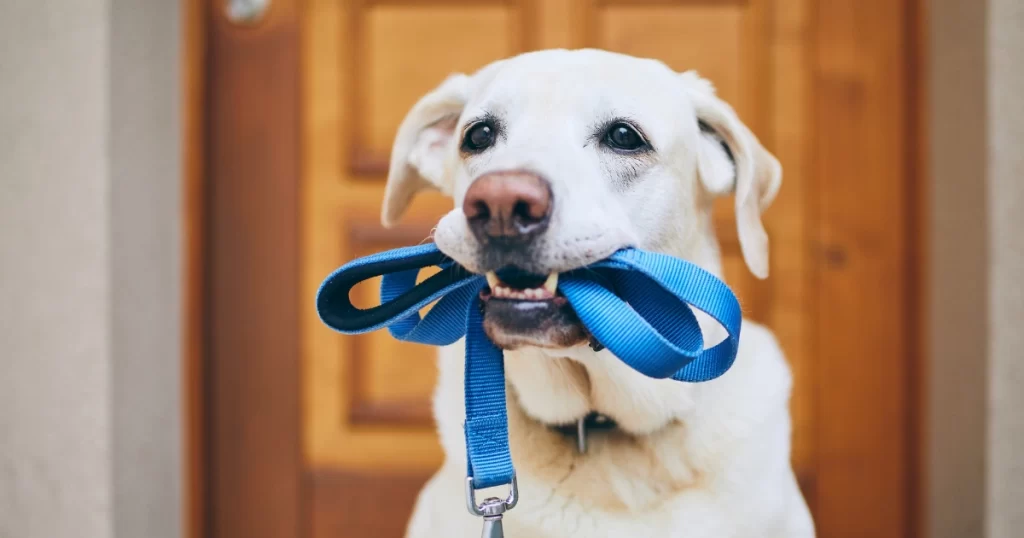
The best time to start leash training a dog is when they’re young, around 8 weeks old, before they think pulling is a sport. Puppies are quick learners and adjust well when eased in gradually. Older dogs, even adoptable ones, can benefit too with steady practice. Starting early builds lasting habits, but with the right behavior tips and guidance, any age can learn because old dogs can learn new tricks, especially if snacks are involved.
What Are the Basic Steps for Leash Training a Dog?
Teaching loose leash walking takes patience and consistency, plus a deep breath or two. Dogs learn best when training is broken into small steps with plenty of positive reinforcement. Before starting, grab the right training tools and plan for short, focused lessons, not marathons. Each stage builds confidence and helps your dog see leash time as positive, more like fun strolls and less like tug-of-war championships.
Step 1: Introducing the Leash
Introduce the leash slowly, letting your dog sniff and inspect it like it’s a brand-new gadget. This reduces fear and sparks curiosity. Pair the leash with small rewards so it feels like a ticket to treats instead of a trap. Soon, your dog will see the leash as a normal part of daily life, like breakfast.
Step 2: Setting Up Training Space
Pick a quiet area with few distractions. A yard, hallway, or enclosed room works well for early practice. Here you can add pattern games and basic moves without interruptions. Starting in a calm space sets your dog up for success before tackling busier spots full of squirrels and smells.
Step 3: Using Positive Reinforcement
Reward calm walking with treats from a handy treat bag or a dose of verbal praise. Keep rewards in the reward zone near your leg so your dog figures out that’s the sweet spot. Every correct step deserves encouragement or food rewards, turning walks into focus training instead of a tug-of-war.
Step 4: Building Short Sessions
Keep early training sessions short to hold attention. Later, toss in challenges like food scatters or speed walking for extra fun. Consistent short practices save both owner and dog from frustration. With time, these sessions build endurance and polish leash manners until walks feel more like strolls than sprints.
Step 5: Practicing Loose Leash Walking
Begin walking with the goal of loose leash control, not a neighborhood sled pull. Use cues like the watch cue to keep your dog’s eyes on you instead of every squirrel in sight. A long line works great for practice in safe, open areas. With patience, your dog will stroll calmly by your side in all kinds of settings, like the perfect walking buddy who doesn’t gossip.
What Tools Help With Leash Training a Dog?
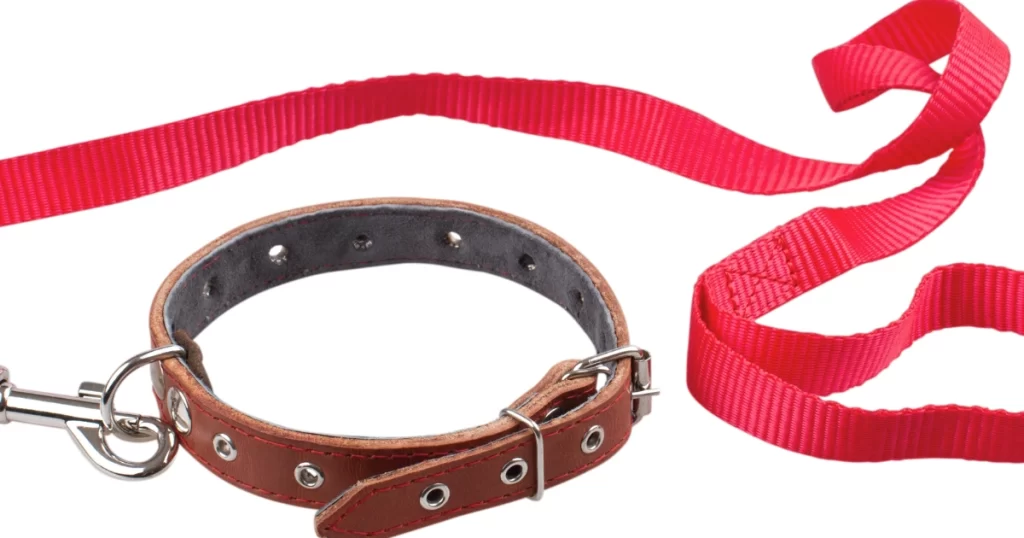
The right training tools make leash training a dog smoother and less like a workout. Each one helps keep dogs and owners comfortable while reinforcing focus. Good, well-fitted gear builds habits that stick and saves everyone from frustration.
Standard Leashes
A sturdy leash gives reliable control during outdoor adventures and daily walks. It keeps your dog safe and connected without drama. Standard leashes offer clear communication between you and your dog. Skip retractable leashes since they encourage pulling and turn strolls into bungee-jumping practice.
Harnesses
A no-pull harness helps guide dogs without cranking pressure on the neck. It gives owners more control during walks and training sessions. This is especially helpful for strong pullers who think they’re training for the Olympics. It’s extra handy for herding breeds that come with built-in turbo mode.
Collars
Flat collars work fine for dogs that already have solid manners. They’re useful for holding ID tags and providing light control. Collars should never replace structured training with a dog trainer. After all, a collar can hold a name tag, but it won’t teach manners.
Long Lines
A long line is perfect for practicing recalls in open, safe areas. It gives dogs a taste of freedom without letting them disappear into the distance. Think of it as controlled independence with guardrails. It keeps dogs from running off like marathon champs while still feeling adventurous.
Reward Tools
A treat bag keeps rewards handy so you’re not fumbling like a snack machine. Quick access helps reinforce good behavior at the right moment. Paired with cues and pattern games, it builds consistency. These tools turn training into positive experiences that build trust and keep tails wagging.
What Are the Long-Term Benefits of Leash Training a Dog?
Effective leash skills give your dog freedom and safety during daily walks and outdoor adventures. With consistent dog training at home, your pup learns to stay calm and focused, making every outing easier. Dogs also get valuable mental stimulation, helping them relax at home instead of bouncing off the walls. Over time, good leash manners strengthen your bond, and some dogs even go on to earn titles like Canine Good Citizen, the ultimate honor roll for pups.
Frequently Asked Questions
How long does leash training a dog usually take?
Most dogs learn the basics of leash training a dog within a few weeks. Progress depends on breed, age, and how often you practice. Daily short sessions work better than long, inconsistent ones. Consistency matters more than speed.
Can older dogs succeed with leash training a dog?
Yes. Leash training a dog works at any age. Older dogs may need more patience and repetition. Short, structured sessions help prevent frustration. Positive reinforcement improves results over time.
Is a retractable leash helpful when leash training a dog?
No. Retractable leashes are not recommended when leash training a dog. They encourage pulling and reduce clear communication. Dogs learn that tension is normal. A standard fixed leash offers better control and safety.
How do I stop pulling when leash training a dog?
When leash training a dog, use a no-pull harness for better guidance. Reward calm walking near your side. Clear cues help dogs understand expectations. Pattern games help replace pulling habits.
What is the best age to start leash training a dog?
Puppies can start leash training a dog around 8 weeks old. Early exposure builds good habits. Older dogs can start training at any stage. Steady practice and positive experiences lead to success.
Wrapping Up
Walking your dog should feel like fun, not a tug-of-war workout. By practicing leash training a dog, you’ll build a stronger bond and create safe routines that don’t involve you being dragged like a kite. Structure, rewards, and the right training tools make all the difference.
With consistency, dogs stay calm during outdoor adventures and handle everyday challenges like pros. Practice at home, play pattern games, and try real-world fun like urban agility or park trips. Every session boosts trust and improves behavior, one wag at a time.
At Amy’s Dog Training, we’re here to help you hit your goals. Call us today at (408) 887-1741 to learn how our training programs and professional animal trainers can support your journey, no matter how many squirrels cross your path.