Starting dog training for beginners can seem challenging, but it doesn’t have to feel like rocket science with fur. With the right methods, any owner can build routines and strengthen their bond with their dog, without needing a PhD in belly rubs. Training is about trust, better communication, and plenty of positive reinforcement. Step-by-step training strategies, expert tips, and proven techniques help you and your dog succeed with results that last longer than a squeaky toy.
What Should Owners Know About Dog Training for Beginners?
The foundation of dog training for beginners starts with patience and consistency. Dogs respond best when training sessions are short and focused, because their attention span often rivals that of a goldfish. Beginners should learn to read a dog’s body language, since wagging tails and dramatic sighs are all part of the unspoken language between owner and pet. Early puppy manners and puppy socialization shape good behavior, while reward-based practices with dog treats make progress taste delicious. Above all, proper training builds trust and reduces those behavioral problems that make new owners wonder if their pup is part tornado.
How Can I Start Dog Training for Beginners at Home?
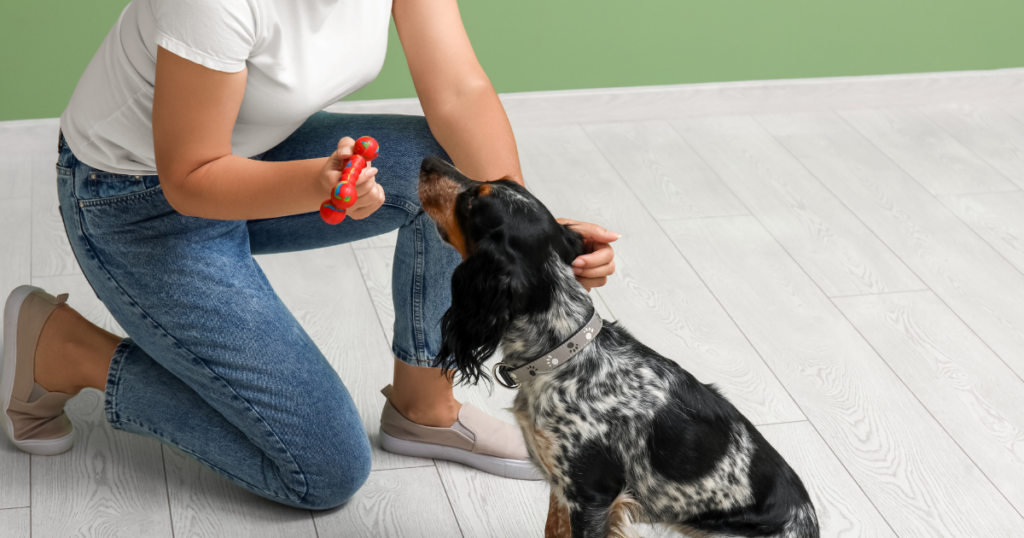
Dog training at home gives owners the chance to build skills in a familiar and comfortable setting, also known as the living room classroom. Progress starts with structure and consistent daily practice that blends into everyday routines, like “sit before snacks.” To make the process easier, new owners should begin with clear guidelines, the right tools, and a simple training plan, ideally one that doesn’t involve chasing the dog around the yard.
The following steps outline how to get started with success, and hopefully fewer chewed-up shoes.
Training Setup
Choose a quiet space without distractions where your dog can focus. Gather training tools like a long leash, treat pouch, and favorite treats before you begin, because scrambling for snacks mid-lesson never works. Having everything ready makes training smoother and less stressful. A calm setup helps your dog concentrate on learning instead of chasing shadows.
Positive Rewards
Dogs respond best to positive reinforcement when learning new skills. Offer food-motivated rewards like wet food, dry kibble, or wild-caught cod treats if your pup has fancy taste. Keep training sessions short to hold attention and enthusiasm. Ending on a positive note keeps your dog motivated for the next lesson, or at least ready for more snacks.
Daily Routine
Consistency creates the foundation for lasting training success. Use the same cue words each time so your dog links the command with the action, not with your mood. Schedule daily practice sessions that fit naturally into your routine. Over time, this steady approach helps your dog master obedience skills with confidence and maybe even some extra swagger.
What Are the Basic Commands Every Dog Should Learn?
New owners often wonder where to begin with training vocabulary. The first commands should build safety, structure, and confidence for both dog and owner, because “sit” is way more useful than “please stop stealing socks.” These core basic obedience commands also prepare dogs for more advanced obedience training and future training classes. Read to know which commands are best to start with before your pup invents their own.
1. Sit and Stay
The “sit” and “stay” commands teach impulse control and prepare your dog for other obedience skills. Use clear cue words with hand signals to guide behavior, because charades should not be part of training. Consistent practice strengthens focus and discipline, even when squirrels are involved.
2. Recall Commands
A strong recall command keeps your dog safe in unexpected situations. Turn it into a fun game by using favorite treats as rewards, because nothing motivates faster than snacks. With repetition, your dog will learn to respond quickly and reliably, like a furry boomerang that comes back every time.
3. Loose Leash Walking
Loose leash walking builds discipline and makes walks more enjoyable. Reward calm steps with treats to reduce pulling and distractions, because being dragged down the street is not cardio. Over time, this practice encourages steady and positive walking habits that don’t involve chasing every leaf.
4. Crate Training
Crate training provides a safe space and supports house training. Begin with short, positive experiences to build comfort, not “welcome to doggy jail.” It also reduces separation anxiety and helps your dog feel secure, like having their own tiny studio apartment.
How Do I Handle Common Beginner Challenges?
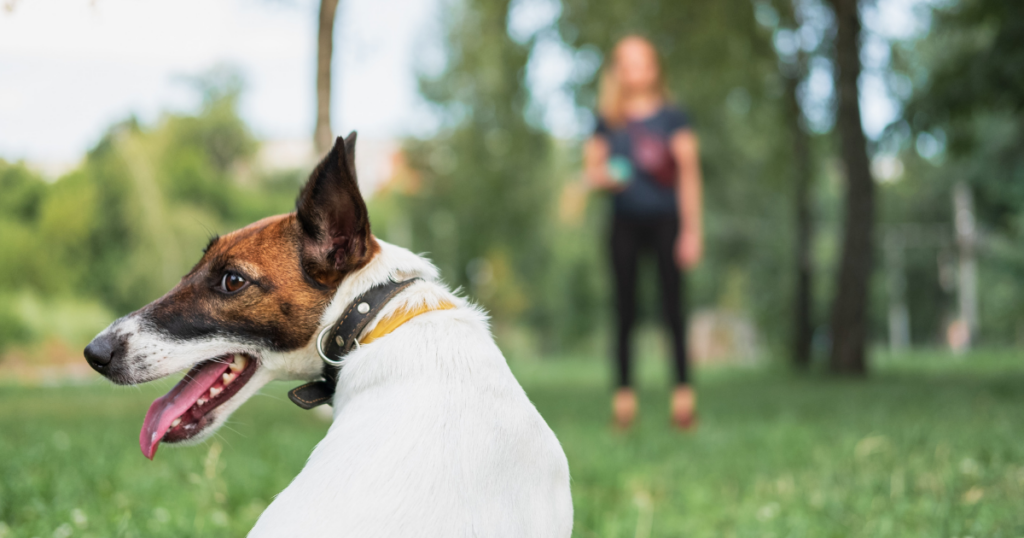
Even with proper training, new owners may face hurdles in early training sessions. Problems like excessive barking, accidents, or anxiety can test patience, and maybe your carpet. Each challenge needs specific training techniques and steady effort. Read to know how to handle them before your pup turns pro at chaos.
Excessive Barking
Dogs may bark from stress, boredom, or excitement. Redirect their energy with obedience games, training exercises, or puzzle toys, because a busy brain is a quieter brain. Keeping their minds engaged reduces frustration and excess noise. Use positive reinforcement to reward quiet behavior and encourage calm responses, proving silence really can be golden.
Potty Training
Successful potty training starts with a consistent daily schedule. Take your dog to the same spot each time to build routine and predictability, like their own personal restroom. Praise with favorite treats when they succeed to reinforce good habits, because nothing says “good job” like snacks. Avoid punishment, since it only causes confusion and slows progress, plus nobody learns well under pressure.
Separation Anxiety
Separation anxiety often shows up when dogs panic as their owners leave. Crate training provides a safe space and helps manage stress, like a cozy doggy apartment. Short departures followed by calm returns make leaving less dramatic. Over time, these steps build independence and confidence, so your dog won’t act like you joined the circus every time you grab the keys.
What Tools Do Beginners Need?
Having the right training tools can make learning faster and easier. Beginners don’t need to buy every gadget on the shelf, but a few essentials make a big difference in training success. These basics support both safety and motivation in every training class or at-home practice, and save you from improvising with snack pockets.
Treat Pouch
A treat pouch keeps dog treats within easy reach during training sessions. Quick access makes it possible to reward good behavior right away, before your pup forgets what they did. Timely rewards are key to reinforcing training skills. Using a pouch also keeps your hands free and training more organized, instead of juggling treats like a circus act.
Training Leash
A long leash provides both control and freedom while your dog learns. It allows safe practice in outdoor settings without turning walks into chase scenes. This tool is especially helpful for loose leash training exercises. With consistent use, it teaches your dog to stay close while still exploring like a furry tourist.
Clicker Device
Clicker training uses a small device to mark the exact moment a dog does something right. This precise timing helps the dog clearly understand what behavior is being rewarded, no guessing required. The click sound is always followed by a favorite treat, because snacks seal the deal. Over time, the dog connects the sound, the action, and the reward into one clear learning cycle, kind of like magic with kibble.
When Should I Call a Professional Dog Trainer?
If progress feels slow or serious behavioral problems pop up, it may be time for private training or group classes. A certified professional dog trainer or experienced training instructor can handle the tricky stuff and teach advanced training techniques. Private lessons give one-on-one support, while dog training classes add socialization and real-world practice that isn’t just barking at the mailman. Expert guidance helps your dog develop strong training skills for long-term training success, and saves your sanity too.
Frequently Asked Questions
How old should my dog be to start training?
Dogs can begin puppy training classes as early as 8 weeks old. Early training builds manners and confidence. It also helps with socialization around people and other dogs. Starting young sets the foundation for lifelong good behavior.
Can I train my dog without treats?
Yes. You can train without treats, though they are very effective. Praise and affection can also reinforce learning. Playtime works well as a reward too. Mixing rewards keeps training fun and motivating.
How often should I train each day?
Short sessions of 5 to 10 minutes are best. Two to three sessions each day fit most dogs’ attention span. This keeps training positive and stress-free. Regular practice builds stronger skills over time.
Is group training better than at-home training?
Group classes give social exposure and distraction practice. At-home training builds structure and one-on-one focus. Both methods have unique benefits. Many owners combine them for the best results.
What if my dog doesn’t listen?
Recheck your commands and cues. Stay calm and patient during training. Adjust your methods if needed. Using favorite treats can rebuild motivation and focus.
Wrapping Up
Every beginner can succeed with training dogs by focusing on trust, patience, and positive reinforcement. Using consistent training steps, the right training tools, and clear training vocabulary leads to steady growth without turning lessons into chaos.
With practice in dog training for beginners classes, obedience training, and home training programs, dogs learn to listen and owners gain confidence. Challenges like separation anxiety, potty training, and excessive barking can be solved with structure, persistence, and maybe a few extra snacks.
At Amy’s Dog Training, our training instructor team supports owners through every stage of learning. We provide group classes, private training, and advanced behavioral classes to guide your pet toward lasting success. Call us today at (408) 887-1741 before your pup decides they’re the instructor.