Choosing between a dog trainer vs behaviorist can feel as confusing as a pup chasing its own tail. Both work with dog behaviors, but their focus and methods are different. A dog trainer handles basics like obedience training, group classes, and fun skills such as agility training, while a dog behaviorist dives into deeper behavioral issues. What your dog needs depends on the chaos at home. Learning what each professional does helps you make the right call for your canine companions and saves you from guessing games that leave everyone barking.
What Does a Dog Trainer Do?
A professional dog trainer teaches basics like sit, stay, and recall using positive reinforcement and other positive training methods. They also step in to fix common chaos like nonstop barking or furniture-shredding. Many trainers run private sessions or group classes where dogs sharpen skills in social settings without turning it into a doggy free-for-all. Trainers in the dog training industry often carry credentials from groups like the Certification Council for Professional Dog Trainers. Their goal is to build a strong bond between dogs and owners that makes daily life easier and keeps long-term training from going off-leash.
What Does a Dog Behaviorist Do?

A dog behaviorist studies animal behavior and uses behavior modification to tackle complex behavioral issues. These might include separation anxiety, aggression, or quirky reactions tied to neurological or medical issues. Think of them as the detectives of dog drama. Many animal behaviorists have advanced degrees or formal training in animal behavior, often adding veterinary school or certifications as Applied Animal Behaviorists or veterinary behaviorists to their resumes. Their work mixes behavioral medicine, cognitive-behavioral therapy, and emotional conditioned responses. They zoom in on each dog’s personality, species-specific communication, and long-term changes so the relationship feels less like chaos and more like harmony on four legs.
Dog Trainer vs Behaviorist: What’s the Difference?
When comparing a dog trainer vs behaviorist, it helps to know the difference. Trainers handle basics like obedience training, agility training, and social skills. Behaviorists dig into root causes of tough behavioral challenges, often tied to medical issues. Some use Behavior Adjustment Training to help fearful or reactive dogs. Both matter, but their methods, costs, and results aren’t the same.
Training vs. Behavior
A dog trainer builds everyday skills and polishes manners so your pup doesn’t act like the neighbor’s wild child. A dog behaviorist takes on bigger problems like fear, aggression, or anxiety using behavior modification and structured treatment plans.
Skills & Experience
Trainers usually learn through group classes, apprenticeships, and ongoing programs. Behaviorists often bring advanced degrees, a veterinary board exam, and deep knowledge of animal behavior and behavioral medicine, basically the PhDs of the dog world.
Cost & Time
Hiring a dog trainer for private sessions or classes is usually easier on the wallet and shorter-term. A dog behaviourist, especially one who is a licensed veterinarian or tied to membership organizations, often costs more and takes longer because they handle the complicated stuff.
Expected Results
A trainer brings quick wins in manners and obedience with positive training methods. A behaviorist digs deeper for lasting change in canine behavior, giving long-term strategies for those issues that treats alone can’t fix.
How Do I Know Which One My Dog Needs?
Understanding your dog’s challenges makes it easier to choose between a dog trainer vs behaviorist. Trainers are usually the first stop for fixing basic skills, while behaviorists take on problems linked to medical issues or emotional conditioned responses. Sometimes your pup may need both, kind of like having a coach and a therapist on the same team.
Here are signs to help guide your choice without needing a crystal ball or a doggy translator.
When to Hire a Trainer
If your dog struggles with dogs basic commands, basic obedience training, or everyday manners, a trainer is the way to go. They also tackle agility training, leash pulling, and boost confidence in group classes so your pup doesn’t act like the class clown.
When to Call a Behaviorist
A dog behaviorist may be needed if your dog shows aggression, separation anxiety, or dramatic fear responses. They dig into the triggers with behavior modification and cognitive-behavioral therapy, basically doggy detective work with a science degree.
Collaborative Training
Sometimes both professionals team up. A trainer teaches skills while a dog behaviorist handles the bigger behavioral issues. Together, they help create a smoother, less chaotic bond between dogs and owners.
Finding the Right Fit
Look for pros with real hands-on experience, formal education, and ties to membership organizations. The right pick depends on your dog’s personality and which challenges you’re ready to stop chasing in circles.
When Should You Seek Professional Help for Your Dog?
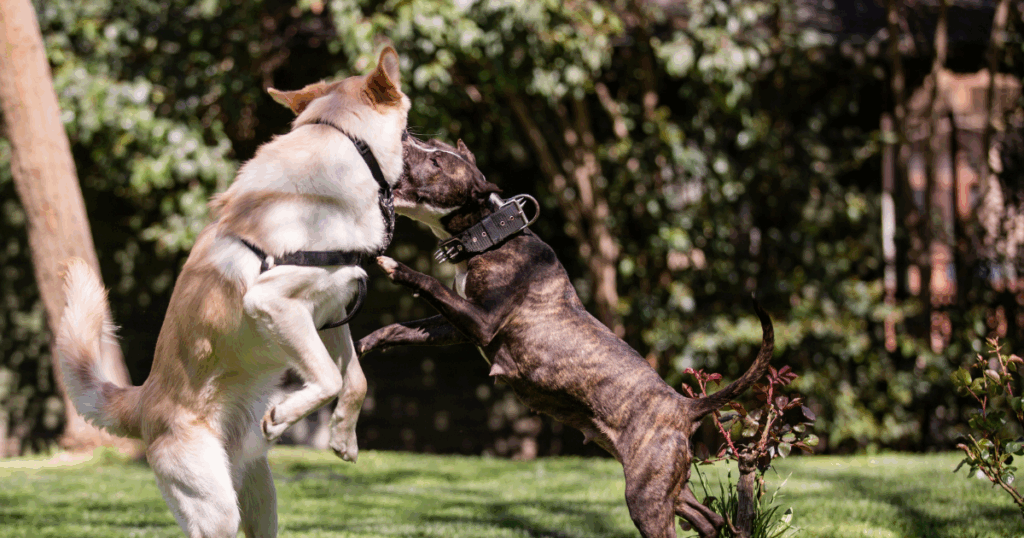
Timing matters when dealing with your dog’s behavioral problems. Early action stops issues from growing and keeps the home from turning into a chaos zone. Watching for key signs helps you know when to bring in professional backup.
Early Setbacks
If your dog struggles with basic manners or ignores positive training methods, it might be time to call a dog trainer.
Behavior Troubles
Recurring excessive barking, anxiety, or unusual canine behavior may require the services of a dog behaviorist. Long-standing issues typically require structured behavior modification, not just extra treats.
Fear or Aggression
Aggression, fear, or separation anxiety often come from emotional conditioned responses. A dog behaviorist or veterinary behaviorist can step in to untangle those worries.
Safety Concerns
If your dog’s actions put people, property, or other pets at risk, it’s time to call for backup fast. Behavioral medicine or professional behavior modification may be needed before your living room turns into a chew toy battlefield.
How to Choose the Right Professional for Your Dog?
When choosing, ask about credentials, hands-on experience, and style. Trainers may hold certification from the Certification Council for Professional Dog Trainers, while behaviorists could be Applied Animal Behaviorists or veterinary behaviorists. Match the problem you want to solve with the right skill set, like pairing the right leash with the right dog. Check if they use positive reinforcement and science-based methods for training. And always put your dog’s health first by ruling out medical issues with a licensed veterinarian because no amount of sit and stay will fix a tummy ache.
Frequently Asked Questions
Can a dog trainer fix aggression?
A dog trainer may improve manners, but aggression usually requires behavior modification techniques under a dog behaviorist or veterinary behaviorists. Trainers can support the process with positive training methods.
Do behaviorists also do obedience training?
Some animal behaviorists focus only on complex problems, while others also cover basic obedience training. Always ask about their services before booking.
How do I find a certified dog behaviorist?
Look for applied animal behaviorists with advanced degrees or those certified through membership organizations. Many also list credentials from veterinary school or behavioral specialty programs.
What should I expect during my first session?
Your professional will ask about history, behaviors in dogs, and possible medical issues. A plan may include behavior modification, structured exercises, or referrals to a licensed veterinarian.
Can my dog work with both a trainer and a behaviorist?
Yes. Combining a dog trainer with a dog behaviorist often helps achieve the best results. This teamwork supports both learning new skills and resolving deeper behavioral issues.
Wrapping Up
Finding the right support starts with knowing the difference between a dog trainer vs behaviorist. Trainers handle everyday manners, while behaviorists solve complex behavioral issues tied to animal behavior or medical concerns. Both help create a safe and happy home for your canine companions without turning it into a doggy soap opera.
Each professional brings unique skills. Trainers focus on dogs basic skills, building confidence in group classes and private sessions. Behaviorists dig deeper with behavioral medicine, cognitive-behavioral therapy, emotional conditioned responses, and species-specific communication. Together, they shape long-term success and a stronger bond between you and your pet.
At Amy’s Dog Training, we guide pet owners toward solutions that match each dog’s personality. Call us today at (408) 887-1741 to start building harmony with your canine companions and maybe save a few pairs of shoes along the way.