Dogs are like people. Some strut into new places like they own the dog park, while others cling to their owner’s leg like it’s their personal security blanket. Dog socialization tips help bridge that gap, turning nervous wiggles into confident tail wags and shaky steps into positive experiences. From learning good social skills to avoiding behavior problems, socialization changes how your dog sees the world. Think of it as teaching your pup to be the cool kid at the park instead of the one hiding under the bench.
This guide will show you how to set your dog up for success with practical steps and proven strategies.
Why Is Dog Socialization Tips Important?
Dog socialization tips help owners build lifelong confidence for both puppies and adult dogs. It helps reduce behavioral problems such as fear, resource guarding, or leash aggression, basically the canine version of bad table manners. It creates safe social interactions with humans and other dogs, making every walk or dog park visit less stressful (and less dramatic). It also strengthens your communication with your pup by helping you read their body language instead of guessing if that tail wag means “hi” or “back off.” Most importantly, socialization encourages calm, balanced behavior and prevents future tantrums that could require serious behavior modification.
What Are the Best Dog Socialization Tips?
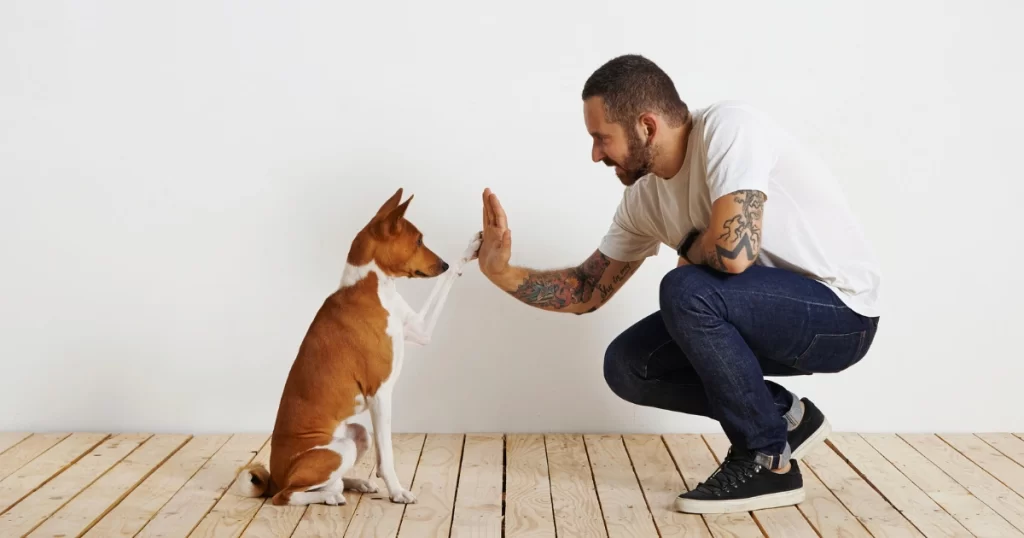
There is no one-size-fits-all approach to dog socialization tips. The right path depends on your dog’s age, environment, and comfort level. To guide you, here are the best strategies that work for puppies and older dogs alike.
Tip 1. Early Socialization
Introduce your pup during the socialization window (3 to 14 weeks). This period shapes how they see the world and helps prevent future fear. Expose them to gentle sounds, textures, and sights in a safe way. Nobody wants a dog who panics every time the toaster pops.
Tip 2. Positive Reinforcement
Pair every new step with rewards. Use food treats, tasty snacks, or play to make learning fun. Rewards make reinforcement techniques stronger and help your pup see challenges as wins. Think of it as doggy paychecks, and yes, they’ll happily work overtime for cheese.
Tip 3. Controlled Environments
Practice in quiet spaces before heading to busy places. Your backyard or a fenced yard is perfect for early practice. These areas give your pup time to learn without overwhelming distractions. Consider it the practice round before the big game.
Tip 4. Short Sessions
Keep socialization brief so your pup doesn’t get overwhelmed. A five-minute leash walk or calm vet clinic introduction is enough. Dogs have short attention spans, which makes them a lot like furry toddlers with tails. Short practice keeps learning fun and stress-free.
Tip 5. Structured Playdates
Arrange safe play in indoor or outdoor play yards. Choose partners that won’t cause body slamming or roughhousing. Safe play builds confidence while teaching dogs how to interact politely. Nobody needs a WWE smackdown when the goal is “make a friend.”
Tip 6. Gradual Exposure
Increase difficulty slowly to build lasting confidence. Start at home, then progress to dog daycare, and eventually a supervised socialization class. Moving too fast can cause setbacks and stress. This socialization staircase keeps confidence climbing without awkward belly flops.
Tip 7. Consistency in Training
Make socialization part of daily life. Every walk, trip, or visit can be a chance to practice. Dogs learn best when training feels like a routine they can count on. Think of it as Netflix binging, only this series teaches dog manners.
How Do Dog Socialization Tips Support Puppies?
Puppy owners play a crucial role in socialization. The earlier they start, the stronger the foundation. Safe and structured exposure through puppy socialization fosters confident adults who can handle a wide range of situations, from vet visits to noisy traffic. Below are the factors on how dog socialization tips help puppies.
Safe Introductions
Expose your pup gently to new people, places, and objects. Think of puppy and dog socialization tips like a vaccination series for confidence, one dose at a time. Every calm introduction builds trust and makes the next one easier. Safe exposure now prevents fear later, saving you from a lifetime of awkward barking at the neighbor’s lawn gnome.
Puppy Classes
Enroll in puppy classes or puppy training classes like puppy kindergarten. These supervised settings let your pup build social skills while learning obedience basics. It is basically preschool, but with more drool and fewer crayons. Plus, you get a tired pup at the end of class, which is a win for everyone.
Gentle Interactions
Keep early social interactions calm and steady. Watch for signs of stress, like tucked tails or the “I want to leave” face, and adjust. Gentle experiences now mean fewer behavioral problems later. Think of it as teaching manners before your dog learns the art of dramatic overreactions.
Playdates
Set up small and safe play groups with friendly dogs. Choose environments like cage-free group play in a dog daycare or fenced yards at home. Positive experiences in these settings create healthy habits that last a lifetime. Plus, it is a lot cuter than watching your pup try to make friends with the vacuum cleaner.
How Do Dog Socialization Tips Help Older Dogs?
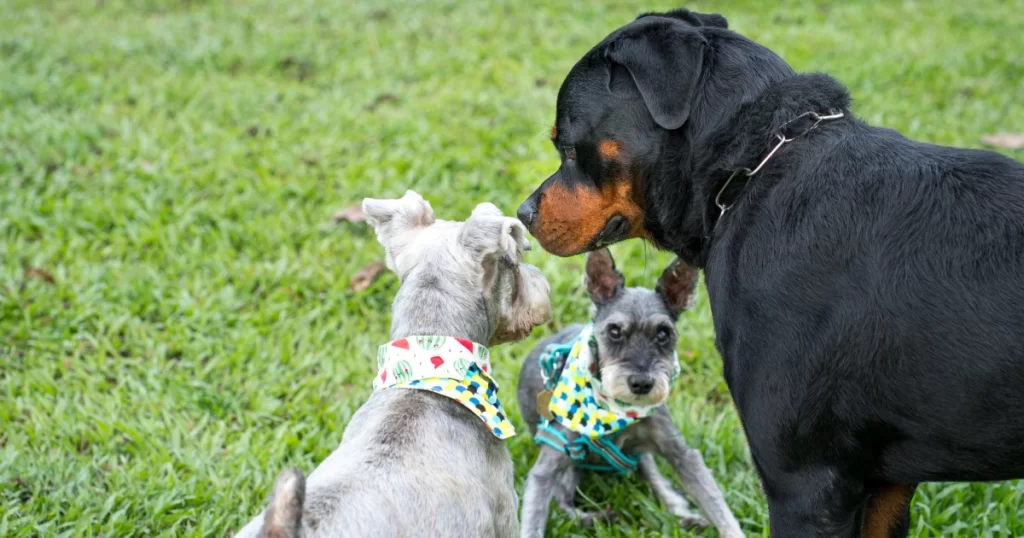
Socializing an adult dog takes patience, but it’s possible. Many older dogs have developed fears or dog behavior problems, so extra care is required. With the right dog socialization tips, even a dog who thinks the mailman is a sworn enemy can learn new confidence. The goal is to help them adapt to social situations without turning every outing into a dramatic episode.
Slow Process
Go at the dog’s pace, not yours. Begin with simple leash walks or calm exposure in quiet places. Rushing into a crowded dog park too soon is like asking someone to sing karaoke before they know the lyrics. Small and slow steps build trust faster than pushing too far.
Trust Building
Create positive experiences with high-value treats or enthusiastic praise. Food works wonders because who can resist snacks? This reduces fear while showing your dog that new encounters are not as scary as they thought. Think of it as bribery with love, and maybe a little cheese.
Professional Help
Work with certified dog trainers at trusted facilities. Trainers bring structure, skills, and the patience that even kind owners may run out of. They’re especially helpful for serious challenges like separation anxiety or aggressive behavior. Sometimes it takes a professional to keep both you and your dog from needing therapy.
How Can a Professional Trainer Support Dog Socialization?
Certified dog trainers offer structured support that makes socialization more effective by applying dog socialization tips in a safe, controlled way. They use proven reinforcement techniques, manage behavior modification, and design programs suited to each dog’s needs. With expert dog socialization tips, puppy owners and those with adult dogs see faster results without feeling like they’re winging it with Google as their co-trainer. A trainer’s guidance also lowers risk during tricky moments, such as dog park interactions or dog boarding situations, helping dogs socialize calmly instead of starring in an episode of “Chaos at the Kennel.”
Frequently Asked Questions
What are the risks of not following dog socialization tips?
Ignoring dog socialization tips can lead to aggression, fear, and destructive behavior that disrupts safety and harmony at home. Poor socialization often creates long-term behavior challenges that are harder to correct later.
Can dog socialization tips help with separation anxiety?
Yes. Dog socialization tips that focus on structured exposure, routine, and positive training help build confidence. These practices can reduce separation anxiety when a dog is alone or staying in dog boarding care.
Are dog socialization tips different for small and large breeds?
The core dog socialization tips stay the same, but play styles vary by size and energy level. Some breeds benefit from gentler play groups, while others thrive in active or off-leash environments.
How do weather and outdoor conditions affect dog socialization tips?
Weather can influence how dog socialization tips are applied. Rain, heat, or loud outdoor conditions may stress dogs, so starting in calm, controlled play areas helps build resilience over time.
Can dog socialization tips be applied at home without other pets?
Yes. Dog socialization tips can be practiced at home through sound exposure, new environments, and controlled experiences. Simple tools like household noises or curated videos can help reduce sensitivity and build confidence.
Wrapping Up
Dog socialization is not a one-day job. It takes time, consistency, and a plan. From puppy owners guiding through the socialization period to working with dog training facilities, every effort shapes your dog’s behavior, a little at a time.
By focusing on safe steps, positive reinforcement, and professional support, you create a life filled with positive experiences. This process reduces behavior issues, strengthens trust, and makes every trip to the vet clinic or doggy daycare smoother and less dramatic.
At Amy’s Dog Training, we’re here to help you raise a confident, happy pup. Call us today at (408) 887-1741 to learn more about our training classes and support tailored to your dog’s needs. A little patience, a few treats, and the right guidance can go a long way.